


As the owner of a mobile tire shop, staying on top of your financials is essential for sustained growth in 2025.
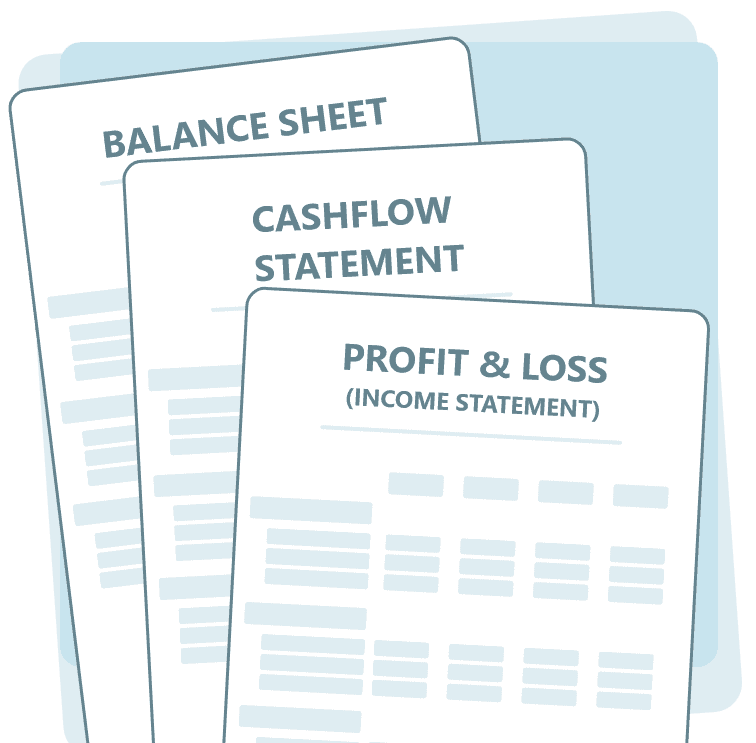
A 3-statement financial model—comprising the Profit & Loss (a.k.a. Income Statement), Balance Sheet, and Cash Flow Statement—is a critical tool for understanding your business’s financial health and planning for the future, uncovering opportunities, mitigating risks, and pushing growth. Let’s get into it.
1. What is a 3-Statement Financial Model?
- Overview of the P&L (a.k.a. Income Statement), Balance Sheet, and Cash Flow Statement.
- How these statements are interconnected.
- Why they’re critical for mobile tire shop owners in 2025.
...Is my mobile tire shop profitable??....
—ANONYMOUS MOBILE TIRE OPERATOR, USA
Income Statement (Profit and Loss Statement)
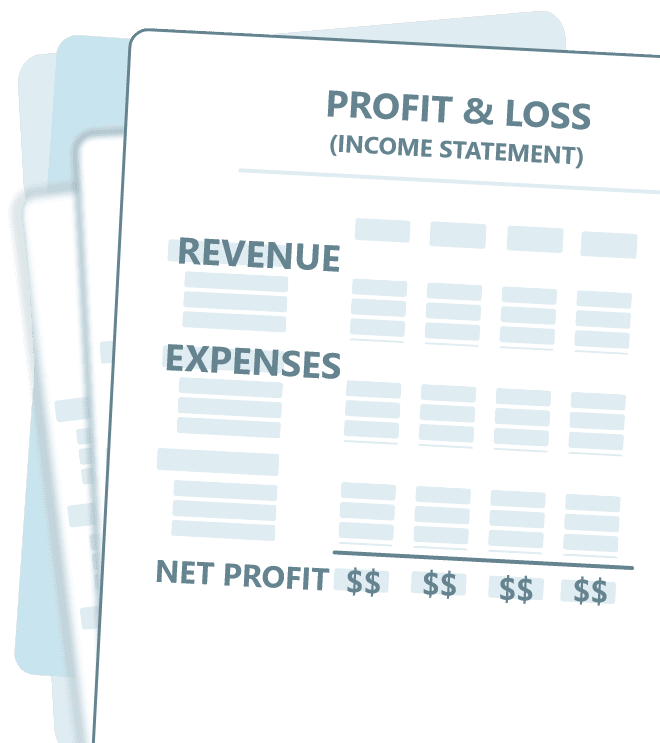
The Income Statement provides a snapshot of your business’s profitability over a specific period. It records revenue, expenses, and net profit (or loss).
- Revenue: Includes all income generated from services like tire sales, mobile repairs, and additional upsells like subscriptions or add-ons.
- Expenses: Covers costs such as fuel, technician salaries, insurance, and marketing.
- Net Profit: The result after subtracting all expenses from revenue. This figure shows whether your mobile tire shop is profitable.
For example, if your mobile tire shop had $100,000 in revenue and $75,000 in total expenses, your net profit would be $25,000.
...what does my business own and owe right now?....
—ANONYMOUS MOBILE TIRE OPERATOR, USA
Balance Sheet
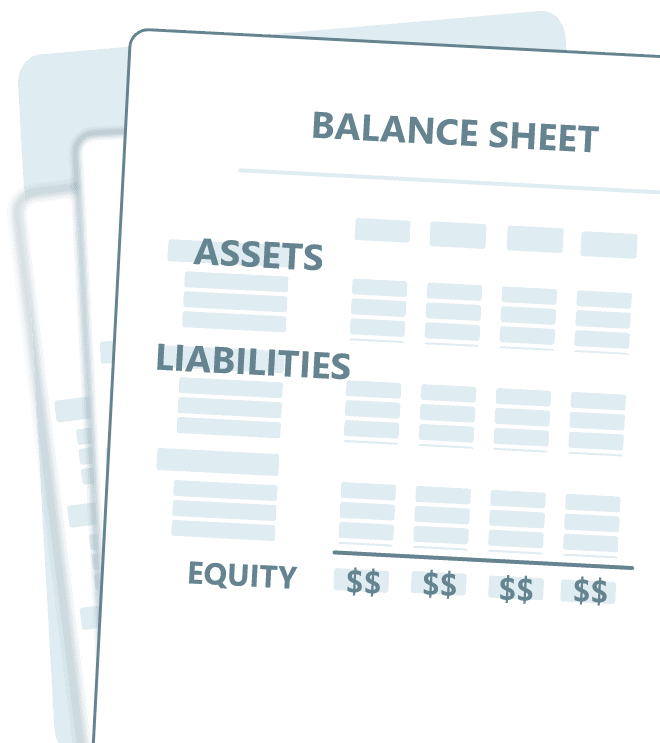
The Balance Sheet shows your shop’s financial position at a specific point in time by detailing your assets, liabilities, and equity.
- Assets: Items your business owns, such as service vans, tire inventory, tools, and cash.
- Liabilities: Debts and obligations, like loans for equipment, outstanding supplier payments, or lease agreements for storage facilities.
- Equity: The owner’s stake in the business, representing what’s left after subtracting liabilities from assets.
For instance, if your mobile tire shop has $50,000 in assets and $30,000 in liabilities, your equity is $20,000.
...can I cover my expenses and invest in growth?....
—ANONYMOUS MOBILE TIRE OPERATOR, USA
Cash Flow Statement
The Cash Flow Statement tracks the flow of cash into and out of your business over a period. It ensures you have enough liquidity to cover day-to-day operations and future investments.
- Operating Cash Flow: Cash generated or used in day-to-day operations (e.g., payments from customers and payments for expenses).
- Investing Cash Flow: Money spent on or earned from investments like buying new vehicles or selling old equipment.
- Financing Cash Flow: Cash from borrowing (loans) or distributing profits (owner withdrawals).
For example, if your shop generates $10,000 in operating cash flow but spends $8,000 on new equipment, your net cash flow is $2,000.

How the 3 Statements Are Interconnected
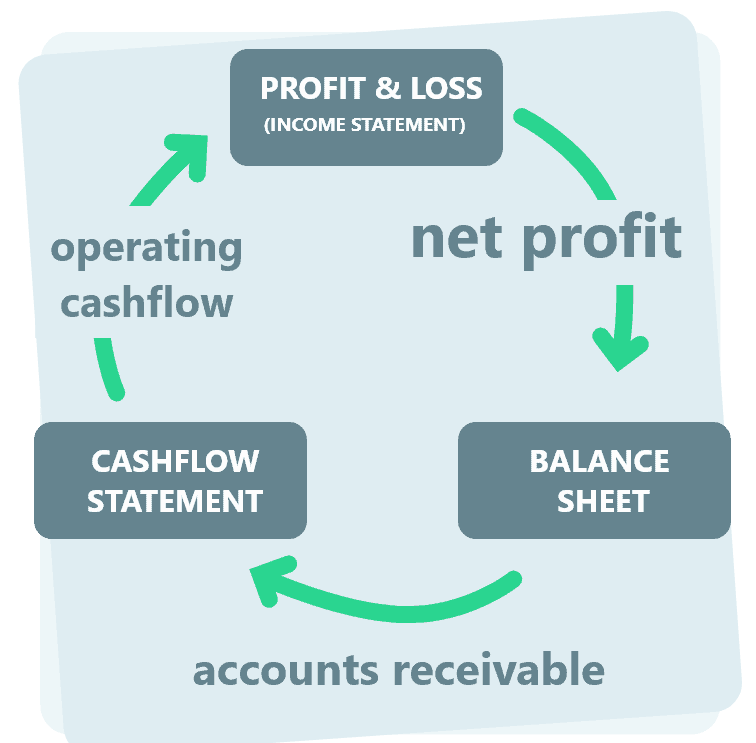
The magic of the 3-statement model lies in how these documents work together:
- Income Statement to Balance Sheet:
- The net profit from your Income Statement flows into the Balance Sheet as retained earnings (part of equity).
- Balance Sheet to Cash Flow Statement:
- Changes in assets and liabilities (like increased accounts receivable or loan repayments) impact the cash flow on your Cash Flow Statement.
- Cash Flow Statement to Income Statement:
- Operating cash flow ensures you have enough liquidity to sustain day-to-day operations, which directly supports revenue generation on the Income Statement.
For example, if your mobile tire shop records $50,000 in sales (Income Statement), it impacts cash inflows (Cash Flow Statement) and contributes to increased assets (Balance Sheet).
Why Mobile Tire Shops Need a 3-Statement Model
For mobile tire shops, the 3-statement financial model isn’t just accounting—it’s a roadmap for growth. Here’s why it’s essential:
- Decision-Making Insight: The Income Statement tells you if your shop is profitable, while the Cash Flow Statement ensures you have enough cash to expand your fleet or invest in marketing. The Balance Sheet provides a broader picture of financial stability.
- Seasonal Planning: Many mobile tire shops experience seasonal fluctuations, like increased demand for winter tires or holiday travel services. The model helps forecast periods of high and low revenue to plan accordingly.
- Growth Strategy: Thinking of adding more service vehicles, hiring technicians, or expanding into a new city? Use the model to evaluate your current financial capacity and predict how the investment will impact future profits and cash flow.
2. Analyzing Your P&L (a.k.a. Income Statement) for Profitability
Analyzing your Income Statement enables you to identify what’s driving profitability, spot areas where costs can be controlled, and uncover opportunities for growth.
Key Components of the Income Statement
Revenue (Top Line)
Revenue represents the total income your mobile tire shop generates through its services and sales. Typical revenue streams include:
- Tire/Wheel Revenue: Sales of tires, rims, and other related products.
- Service Revenue: Income from tire installation, repair, balancing, or rotations.
- Product Revenue: Add-ons such as Road Hazard, nitrogen tire inflation, etc.
To optimize revenue, track which services and products are performing best and consider opportunities for additional offerings, such as seasonal promotions or fleet service contracts.

Cost of Goods Sold (COGS) or (COS) Cost of Services
COGS (or COS) includes all the direct costs associated with delivering your services or products. For a mobile tire shop, this might include:
- The cost of the tires you sell.
- Technician wages directly related to service delivery.
- Fuel to travel to customers’ locations
- Tire recycling fees, state fees on tire sales (ex. $1/tire in FL)
- Consumables like patches, balancing weights, or valve stems.
Finding ways to minimize your COGS (or COS) will contribute to a better gross profit.
For example, if you found fuel expenses to be disproportionately high, you may want to invest in Routing & Scheduling software to shorten commutes in order to decrease fuel costs and increase # jobs/day.
Curious to hear more about Routing & Scheduling for mobile tire shops? Check out: “3 Tips For Routing & Scheduling for Mobile Tire Shops“

Gross Profit (the $ amount) is calculated as Revenue minus COGS. This metric shows how efficiently your shop converts sales into profit after covering direct costs.
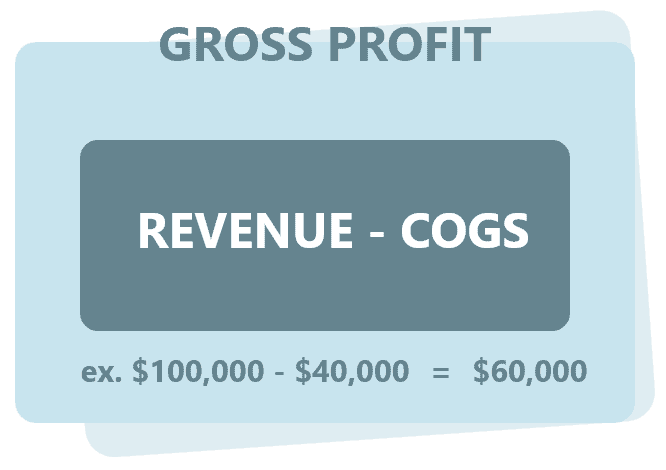
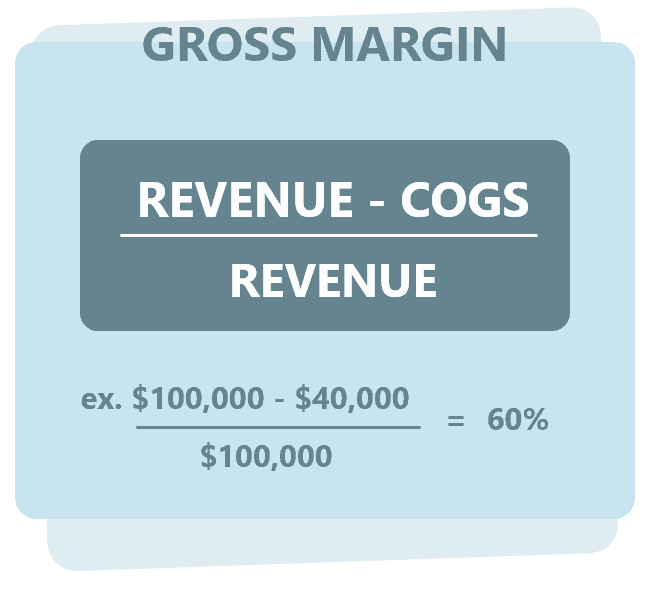
Example: If your shop generates $100,000 in revenue and has $40,000 in COGS, your gross profit is $60,000, and your gross margin (percentage amount) is 60% ($60,000 ÷ $100,000). A higher gross margin indicates better profitability at the service/product level.
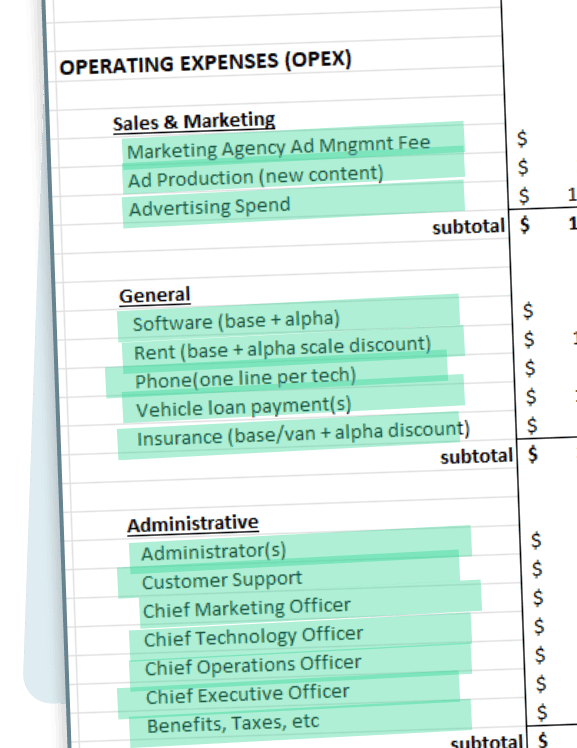
Operating Expenses (OPEX)
Operating expenses are the indirect costs of running your business, including:
- Sales & Marketing: costs of acquiring customers.
- General: truck loan payments, insurance, and software subscriptions, phone, etc
- Administrative Costs: Salaries for non-technician staff
Tracking these costs helps you identify inefficiencies. For instance, if a phone sales rep is costing you $40,000/yr, you might explore an AI voice agent.
Curious to hear more about AI? Check out : “Save Your Mobile Tire Shop $40k/yr in 2025 with Inbound AI Voice Sales Agent“
EBITDA (earnings before interest, taxes, depreciation, amortization).
This measure is widely used in the analysis of asset intensive businesses with a lot of equipment (mobile tire vans), inventory (tires), etc and correspondingly high non-cash depreciation costs. It’s found by taking Gross Profit and subtracting Operating Expenses.
The final figure—net profit—represents your total earnings after deducting all costs (COGS and OPEX) from revenue and Interest, Taxes, Depreciation/Amortization.
- Net Profit Margin is calculated as Net Profit ÷ Revenue. For instance, if your net profit is $20,000 on $100,000 in revenue, your net profit margin is 20%.
A healthy net profit margin for a mobile tire shop might range between 10%–20%, depending on scale and efficiency. Consistently low margins may signal that costs are too high or pricing strategies need adjustment.

3. Understanding Your Balance Sheet for Financial Stability
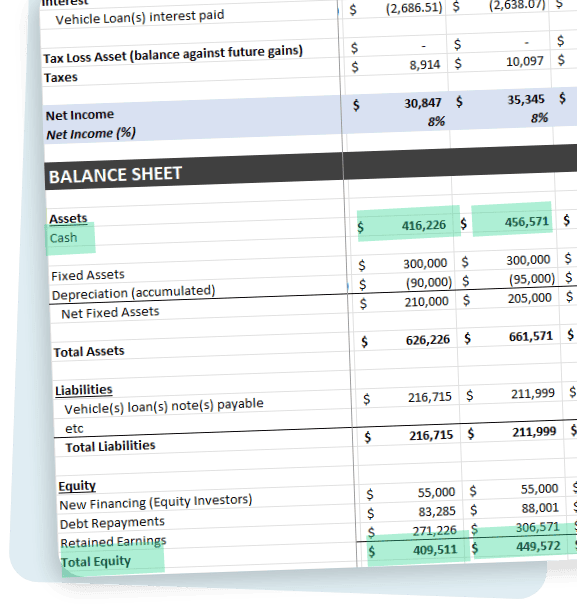
The Balance Sheet is a snapshot of your mobile tire shop’s financial health at a specific point in time. It lists your assets, liabilities, and equity, giving you a clear picture of what your business owns, owes, and is worth. Understanding how to analyze and optimize your Balance Sheet ensures your shop has the stability and resources needed to operate efficiently, manage risks, and seize growth opportunities.
...what's my equity in the business??....
—ANONYMOUS MOBILE TIRE OPERATOR, USA
Key Components of a Balance Sheet
Assets
Assets represent everything your mobile tire shop owns that holds value. These are divided into:
Current Assets: Short-term assets that can be converted into cash within a year, such as:
- Cash and Cash Equivalents: Money in your business bank accounts or petty cash reserves.
- Accounts Receivable: Payments owed to you for services or products provided but not yet paid.
- Inventory: Tires available for sale.
Non-Current Assets: Long-term assets your business relies on, including:
- Vehicles: Service trucks or vans used for mobile tire operations.
- Equipment: Tire-changing machines, balancing equipment, and diagnostic tools.
Why It Matters: Tracking assets helps you understand your shop’s capacity to generate revenue. For example, a robust inventory ensures you can meet customer demands without delays.
Liabilities
Liabilities are your financial obligations—what your shop owes to others. These are categorized as:
Current Liabilities: Short-term debts due within a year, such as:
- Accounts payable (payments owed to suppliers).
- Loan repayments or vehicle leases.
Non-Current Liabilities: Long-term debts, such as:
- Equipment loans.
- Business lines of credit used for expansion or operations.
Why It Matters: Monitoring liabilities ensures you stay on top of repayments and avoid cash flow issues. Excessive liabilities compared to assets can signal financial instability.
Equity
Equity represents the owner’s stake in the business, calculated as:
Equity = Assets – Liabilities
It includes:
- Retained Earnings: Profits reinvested into the business for growth.
- Owner’s Contributions: Capital invested by you or other stakeholders.
Why It Matters: Equity shows the value of your business. Growing equity over time indicates financial stability and successful reinvestment strategies.

How the Balance Sheet Demonstrates Financial Stability
Liquidity (Short-Term Stability)
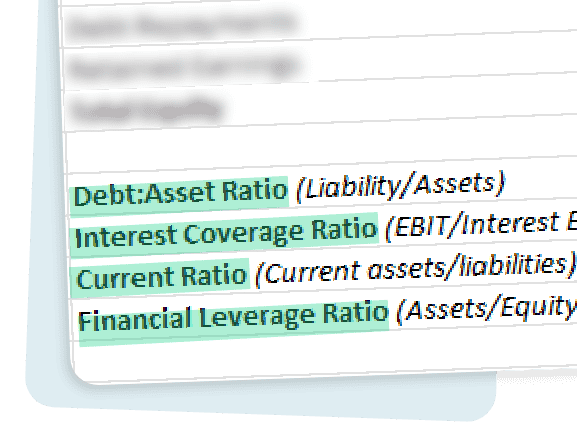
Liquidity measures your shop’s ability to cover short-term obligations. A key metric is the current ratio, calculated as:
Current Ratio = Current Assets ÷ Current Liabilities- A ratio above 1 indicates you have more assets than liabilities, meaning you can comfortably cover short-term debts.
Debt-to-Equity Ratio (Long-Term Stability)
This ratio compares total liabilities to equity:
Debt-to-Equity Ratio = Total Liabilities ÷ Equity- A lower ratio suggests you’re relying less on debt and more on equity to fund your operations, which is a sign of financial stability.
Asset Utilization
Analyze how efficiently your assets generate revenue. For example:- If your fleet of vehicles isn’t being fully utilized, consider optimizing scheduling or adding service areas to maximize their value.
How to Analyze Your Balance Sheet
Assess Asset Allocation
- Ensure your assets are balanced between liquidity (cash and receivables) and revenue-generating resources (inventory, vehicles).
- If cash reserves are low, you may struggle with operating expenses. Conversely, too much cash might signal missed opportunities to invest in growth.
Review Liabilities
- Break down your liabilities and prioritize repayment of high-interest debts.
- Evaluate whether you’re over-leveraged (too much debt relative to equity), which can hinder financial flexibility.
Monitor Equity Growth
- A steady increase in equity indicates your business is retaining profits and growing its overall value.
Practical Applications for Mobile Tire Shops
Managing Working Capital
- Working capital is the difference between current assets and current liabilities. Positive working capital ensures you can cover day-to-day operations without financial strain.
Planning for Growth
- A healthy Balance Sheet allows you to secure loans or lines of credit for expansion, such as purchasing additional service vehicles or hiring more technicians.
- For example, if your equity is growing steadily, banks or investors may view your shop as a lower-risk borrower.
Asset Maintenance and Investment
- Regularly assess the condition and value of your vehicles and equipment. Depreciation reduces their book value over time, so plan for replacements before they become liabilities.
Handling Seasonal Fluctuations
- Mobile tire shops often see higher demand in winter or holiday travel seasons. Use your Balance Sheet to ensure you have sufficient inventory and cash reserves to meet seasonal needs.
Key Metrics to Track
- Current Ratio: A benchmark for liquidity—aim for a ratio of at least 1.5 for a buffer.
- Debt-to-Equity Ratio: Stay under 2.0 to maintain manageable debt levels.
- Asset Turnover Ratio: Revenue ÷ Total Assets; measures how efficiently your assets are driving sales.
Why Understanding the Balance Sheet is Crucial
For mobile tire shops, the Balance Sheet isn’t just a static document—it’s a roadmap for financial stability and growth. By tracking assets, liabilities, and equity, you can ensure your business has the resources to thrive, adapt to challenges, and scale effectively. A well-managed Balance Sheet empowers you to make confident decisions, whether it’s investing in new equipment, expanding service areas, or securing financing for future growth.
4. Leveraging the Cash Flow Statement for Operational Efficiency
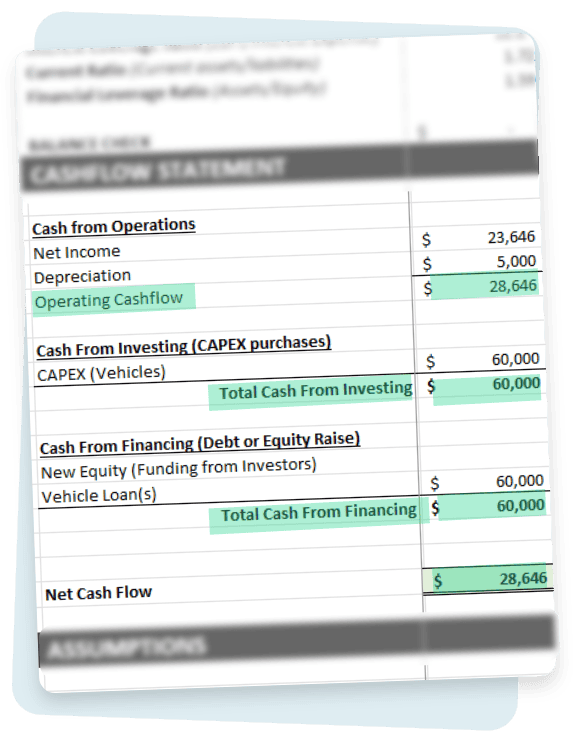
The Cash Flow Statement is a vital financial document that tracks the movement of cash in and out of your mobile tire shop. Unlike the Income Statement, which focuses on profitability, the Cash Flow Statement highlights your shop’s liquidity—how well you can manage day-to-day operations, meet financial obligations, and invest in growth. By understanding and optimizing your cash flow, you can ensure operational efficiency, avoid liquidity crises, and make smarter business decisions.
Understanding the Components of the Cash Flow Statement
The Cash Flow Statement is divided into three sections, each representing a key aspect of your business operations:
Operating Activities
This section tracks cash generated or used in your core business activities, including:- Payments from customers for tire services, repairs, or product sales.
- Cash outflows for operating expenses like fuel, technician wages, marketing, and inventory purchases.
Positive cash flow from operations indicates that your business generates enough cash to cover its day-to-day expenses, a crucial marker of operational efficiency.
Investing Activities
This section reflects cash used for or earned from investments in your business, such as:- Purchasing or selling equipment (e.g., tire-changing machines, balancing tools).
- Buying or upgrading vehicles for mobile service.
- Investing in technology, such as route optimization software or customer management tools.
Negative cash flow in this section is common when you’re expanding your business, but it’s important to balance these investments with your operating cash flow.
Financing Activities
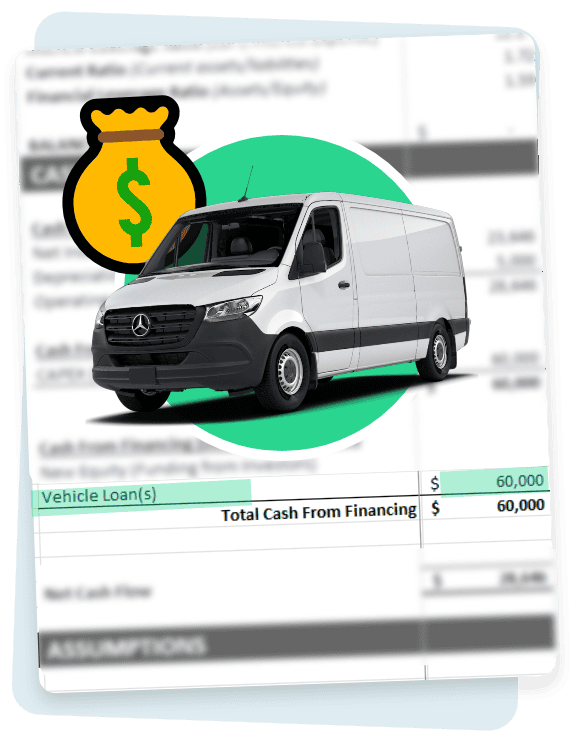
This section captures cash movements related to financing, including:- Borrowing money (e.g., loans or lines of credit).
- Repaying debts or distributing profits to owners.
A healthy financing strategy ensures you’re not overly reliant on debt while maintaining adequate cash reserves for growth.
Key Cash Flow Metrics for Operational Efficiency
Net Cash Flow
This is the overall cash position of your shop after accounting for all inflows and outflows. Positive net cash flow indicates financial stability, while negative net cash flow may signal a need for tighter cash management or additional financing.Operating Cash Flow (OCF)
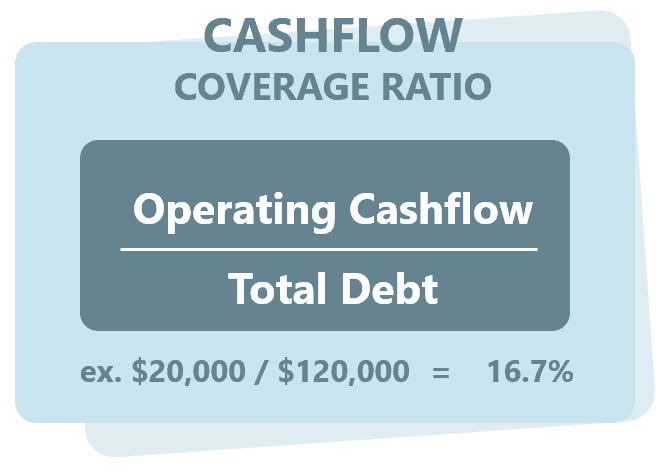
OCF measures cash generated from your core business activities. High OCF is a sign that your mobile tire shop’s daily operations are efficient and sustainable.Cash Flow Coverage Ratio
This ratio compares cash flow from operations to debt payments. A higher ratio indicates your business generates enough cash to comfortably cover loan repayments.
Strategies to Optimize Cash Flow for Operational Efficiency
Streamline Accounts Receivable (For Fleet Customers)
- Encourage prompt payment by fleet customers by offering incentives such as discounts for early payments or penalties for late payments.
- Use online payment systems to make transactions seamless for customers.
Manage Inventory Effectively
- Avoid overstocking tires and supplies, which ties up cash unnecessarily.
- Use demand forecasting tools to maintain optimal inventory levels based on seasonal trends.
- Better yet, automatically maintain a “ghost inventory” and only orders the tires that customers have already paid for online. (TreadCommand does this)
- This keeps your transactions cashflow positive on each online order.
Negotiate Payment Terms with Suppliers
- Secure favorable payment terms to extend the time you have to pay for inventory or equipment purchases without incurring penalties.
Monitor and Reduce Operating Expenses
- Implement route optimization to minimize fuel costs and reduce unnecessary mileage.
- Regularly review operating expenses to identify areas for cost-cutting, such as switching to a more affordable marketing platform or renegotiating insurance premiums.
Plan for Seasonal Fluctuations
- Mobile tire shops often experience seasonal peaks and troughs, such as increased demand for winter tire changes or holiday travel checks.
- Build cash reserves during high-demand periods to cover expenses during slower months.
Want to get your money faster from Fleet accounts? Check out this article: “How To Get Your Mobile Tire Fleet Customers to Pay Upfront Instead of 30 Days Later“
Using the Cash Flow Statement for Decision-Making
Evaluate Expansion Opportunities
Before adding new service areas, purchasing additional vehicles, or hiring more staff, use your cash flow statement to determine whether you have sufficient cash reserves or need financing.Forecast Future Cash Flow
- Create a rolling cash flow forecast to predict cash availability over the next 3–6 months.
- Use this forecast to identify potential shortfalls and plan corrective actions, such as securing a short-term loan or adjusting spending.
Plan for Debt Repayment
- Monitor financing activities and ensure that loan repayments are aligned with your operating cash flow.
- Avoid overburdening your business with debt that can strain liquidity.
Curious about predicting your cashflow? Check out this custom “Financials Calculator for Mobile Tire Shops“

Practical Applications for Mobile Tire Shops
Emergency Preparedness
Maintaining positive cash flow ensures you can handle unexpected costs, such as vehicle breakdowns or sudden inventory shortages.Investment in Growth
Healthy cash flow allows you to reinvest in your business, such as upgrading equipment, launching marketing campaigns, or adopting new technologies to improve efficiency.Maintaining Operational Stability
By tracking and optimizing cash flow, you can avoid situations where a lack of liquidity disrupts your ability to serve customers or pay employees.
5. Integrating the 3 Statements for Strategic Growth
The three core financial statements—the Income Statement, Balance Sheet, and Cash Flow Statement—are deeply interconnected, forming a complete picture of your mobile tire shop’s financial health. Integrating these statements allows you to make informed, strategic decisions to grow your business. By understanding how changes in one statement affect the others, you can plan expansions, manage risks, and optimize profitability with confidence.
Why Integration is Crucial for Growth
Each financial statement serves a unique purpose:
- The Income Statement shows profitability.
- The Balance Sheet provides a snapshot of assets, liabilities, and equity.
- The Cash Flow Statement ensures liquidity by tracking cash movement.
However, to make strategic decisions—like scaling operations, launching a new service area, or investing in equipment—you must analyze how these statements interact. For instance:
- Increasing revenue on your Income Statement should translate to better liquidity in your Cash Flow Statement and improved assets on your Balance Sheet.
- High debt on the Balance Sheet affects cash outflows for financing activities in the Cash Flow Statement, potentially reducing available funds for daily operations.
By integrating these statements, you can assess the ripple effects of any financial decision across your business.

Scaling Your Operations
- Evaluate Profitability (Income Statement): Before adding new service areas or vehicles, ensure your business is consistently profitable.
- Check Financial Stability (Balance Sheet): Confirm you have sufficient assets or equity to support growth without overburdening liabilities.
- Assess Liquidity (Cash Flow Statement): Ensure cash inflows can cover the upfront costs of scaling, such as equipment purchases or hiring new technicians.
Launching a New Service or Promotion
- Income Statement: Forecast potential revenue from the new service or promotion while accounting for associated costs.
- Balance Sheet: Monitor the impact on inventory (e.g., stocking specific tires for the promotion) and potential increases in accounts receivable.
- Cash Flow Statement: Ensure enough cash is available to fund marketing efforts and handle increased demand.
Managing Seasonal Fluctuations
- Income Statement: Analyze historical revenue and expense trends to predict seasonal highs and lows.
- Balance Sheet: Build up cash reserves (current assets) during peak seasons to cover liabilities during slower months.
- Cash Flow Statement: Use cash flow forecasting to prepare for temporary dips in revenue while maintaining operational stability.
Securing Financing for Growth
- Income Statement: Present lenders or investors with evidence of profitability to demonstrate your ability to repay loans or generate returns.
- Balance Sheet: Show strong equity and manageable liabilities to establish financial stability.
- Cash Flow Statement: Highlight positive operating cash flow to prove liquidity for repayments.
Practical Example of Integration in Action
Scenario: You plan to add two new service trucks to expand your mobile tire shop’s reach.
Income Statement Analysis
- Project increased revenue from the additional trucks.
- Account for new costs such as salaries, fuel, and insurance.
Balance Sheet Impact
- Record the trucks as long-term assets.
- Assess whether you’ll use existing cash reserves or take on new liabilities (e.g., a vehicle loan) to fund the purchase.
Cash Flow Statement Considerations
- If financing, include loan proceeds as a cash inflow and loan repayments as future outflows.
- Ensure operating cash flow remains sufficient to cover day-to-day expenses and repayments.
The integrated analysis helps you determine whether the investment is feasible and how it will affect overall financial health.

Key Metrics to Track in an Integrated Model
- Net Profit Margin (Income Statement): Indicates profitability and the ability to reinvest in the business.
- Current Ratio (Balance Sheet): Measures liquidity; aim for a ratio above 1.5.
- Operating Cash Flow (Cash Flow Statement): Evaluates the ability to fund operations without relying on financing or asset sales.
Benefits of Integration for Strategic Growth
- Comprehensive Decision-Making: Understand the financial ripple effects of any decision across profitability, stability, and liquidity.
- Risk Mitigation: Avoid over-leveraging assets or straining cash reserves by assessing all financial aspects before acting.
- Improved Forecasting: Use historical data and integrated trends to make accurate growth projections.
- Investor Confidence: Present a holistic financial picture to lenders or investors, increasing the likelihood of securing funding.

6. Best Practices and Tools for Managing Your Financial Model
Managing the 3-statement financial model—the Income Statement, Balance Sheet, and Cash Flow Statement—is essential for making informed decisions and driving growth for your mobile tire shop. However, the accuracy and usability of this model depend on adopting best practices and leveraging the right tools. Here’s a detailed look at how to streamline your financial management processes and ensure your model supports your business goals.
Maintain Accurate and Timely Records
- Regularly update your financial data to reflect real-time performance.
- Reconcile bank accounts, credit card statements, and cash inflows/outflows monthly to avoid discrepancies.
- Ensure all transactions—whether revenue, expenses, or loan repayments—are categorized correctly in your financial statements.
Set a Regular Review Schedule
- Review your financial statements monthly to track progress toward goals and identify potential issues.
- Conduct quarterly deep-dives to analyze trends, adjust forecasts, and make strategic decisions.
- Use year-over-year comparisons to evaluate growth and profitability.
Adopt Standardized Templates
- Use a consistent format for your financial statements to simplify tracking and analysis.
- Ensure all team members, accountants, or external advisors work with the same templates to avoid confusion.
Prioritize Data Integration
- Integrate financial data from different sources, such as POS systems, CRM platforms, and inventory management tools.
- Unified data ensures accuracy and reduces the time spent reconciling reports.
Forecast Future Scenarios
- Use historical data to create cash flow projections, revenue forecasts, and expense budgets.
- Model best-case, worst-case, and most-likely scenarios to prepare for market fluctuations or unexpected expenses.
Focus on Key Performance Indicators (KPIs)
Track metrics that directly impact your mobile tire shop’s success, such as:
- Gross Profit Margin: Reflects profitability after covering direct costs.
- Current Ratio: Assesses liquidity to handle short-term obligations.
- Operating Cash Flow: Evaluates cash generated by daily operations.
Work with Financial Professionals
- Collaborate with an accountant or financial advisor to validate your financial model and provide expert insights.
- An advisor can help you identify tax-saving opportunities and ensure compliance with local regulations.
Plan for Growth and Emergencies
- Build a cash reserve for unexpected expenses like vehicle repairs or slow seasons.
- Include growth investments, such as adding new service vehicles or marketing campaigns, in your budget planning.
Essential Tools for Managing Your Financial Model
Accounting Software
Reliable accounting software automates data entry, categorization, and report generation, reducing the risk of errors.- QuickBooks Online: This is what I recommend for small to mid-sized mobile tire shops. It’s got features for tracking income, expenses, and cash flow.
Spreadsheet Software
For customized financial modeling, spreadsheets offer flexibility:- Microsoft Excel: A powerful option for creating and analyzing detailed financial models.
- Google Sheets: Collaborative and cloud-based, ideal for small teams.
- Use pre-built financial templates or create custom dashboards to track KPIs and forecast scenarios.
Budgeting and Forecasting Tools
Specialized tools help you create detailed budgets and financial projections:- QuickBooks Online: Run reports to see trends and plan accordingly
- LivePlan: Combines business planning with financial forecasting for small businesses.
- Fathom: Offers advanced analytics, visual reporting, and cash flow forecasting.
- TreadCommand’s Mobile Tire Financial Calculator
Integrated Digital Operations Platforms
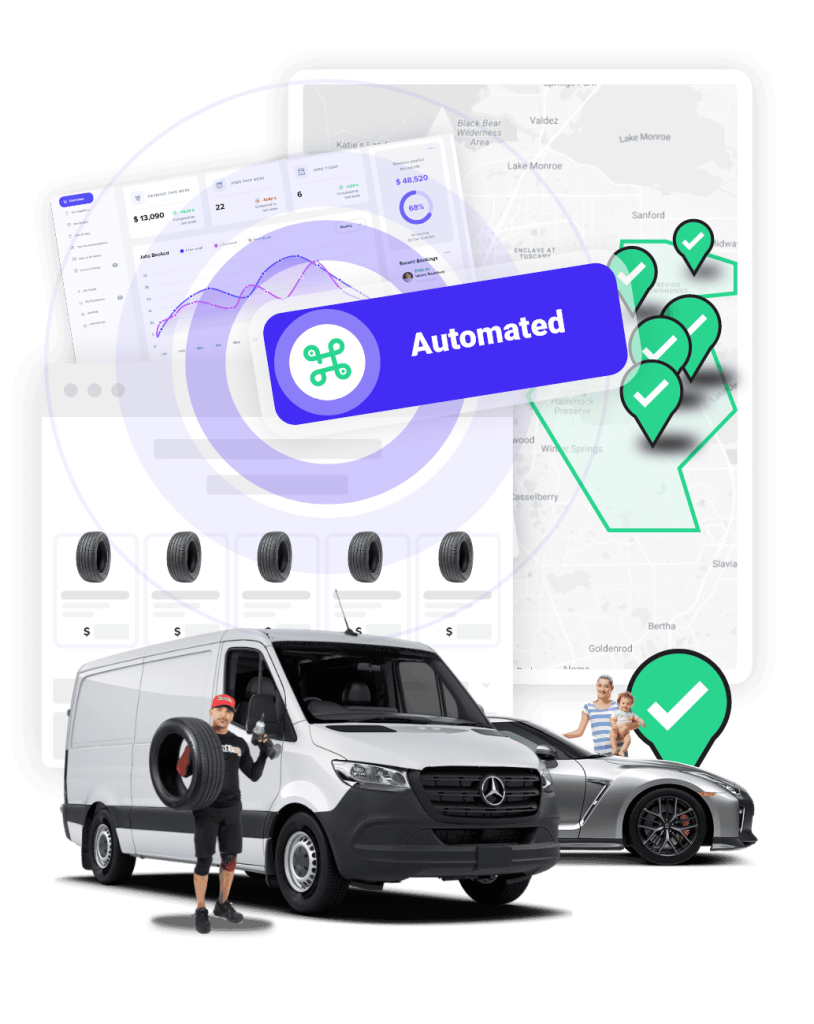
All-in-one solutions simplify the management of running your mobile tire shop:- TreadCommand: A comprehensive platform for automating your e-commerce mobile tire shop – with accounting integrations that sync your webshop with QuickBooks Online.
Cash Flow Management Apps
Mobile apps make it easier to monitor cash flow on the go:- QuickBooks Online: run pre-made reports on cash flow and more
- Float: Syncs with accounting software to provide real-time cash flow insights.
- Pulse: Tracks income, expenses, and cash flow trends for small businesses.
Implementation Tips for Tools and Practices
Start Small and Scale Up
- Begin with basic tools like QuickBooks or Excel for foundational financial management.
- Add forecasting and integration tools as your business grows and financial needs become more complex.
Train Your Team
- Ensure employees involved in invoicing, scheduling, or inventory understand how their roles impact financial data.
- Provide training on the tools you use to ensure consistency and accuracy.
Automate Repetitive Tasks
- Automate invoicing, expense tracking, and report generation to save time and reduce errors.
- Use reminders for bill payments and client follow-ups to ensure timely cash flow.
Regularly Upgrade Systems
- As your mobile tire shop scales, transition to more advanced tools that can handle increased complexity.
- Choose software with robust customer support and scalability options.
Benefits of Best Practices and Tools
- Improved Accuracy and Efficiency: Automation and integration reduce manual errors and speed up financial reporting.
- Enhanced Decision-Making: Real-time data and insightful forecasts help you act confidently on growth opportunities.
- Cost Savings: Identifying inefficiencies and monitoring expenses ensures better cost control.
- Scalability: Advanced tools and standardized practices make it easier to manage your finances as your business grows.

Put your Tire E-commerce on autopilot, with TreadCommand
Say goodbye to clunky & cookie-cutter tire shop management software. Grow your mobile tire shop confidently with the best-in-class automated e-commerce tire platform that customers & operators love.
Closing Remarks
Mastering the 3-statement financial model equips you with the knowledge to grow your mobile tire shop strategically in 2025 and beyond. By analyzing your income statement, balance sheet, and cash flow statement, you’ll gain a clear picture of your financial health and the tools to make informed decisions.
Whether you’re planning for expansion, optimizing operations, or improving profitability, this financial framework ensures you stay in control and ahead of the competition. Take the first step today by aligning your financial statements and setting your business up for long-term success.