


In the dynamic world of e-commerce, where transactions happen seamlessly across borders and time zones, the importance of a secure and reliable payment system cannot be overstated. It serves as the bedrock of trust between businesses and their customers, ensuring that sensitive financial information is protected while facilitating smooth transactions. In this comprehensive exploration, we delve into the key components and best practices of secure and reliable payment systems in e-commerce.
The Significance of Secure and Reliable Payment Systems

Building Trust and Confidence
A robust payment system instills confidence in customers, assuring them that their financial information is safe from prying eyes and malicious attacks. This trust is pivotal for fostering long-term relationships and encouraging repeat business.
Compliance with Security Standards
Adhering to industry-standard security protocols not only protects customer data but also ensures compliance with legal and regulatory requirements. Failure to comply with these standards can result in severe consequences, including hefty fines and damage to reputation.
Key Components of Secure and Reliable Payment Systems
1. Multiple Payment Options
Offering a diverse range of payment methods caters to the preferences and needs of a broad customer base. From traditional credit and debit cards to emerging digital wallets and cryptocurrencies, providing various options enhances convenience and accessibility for shoppers.
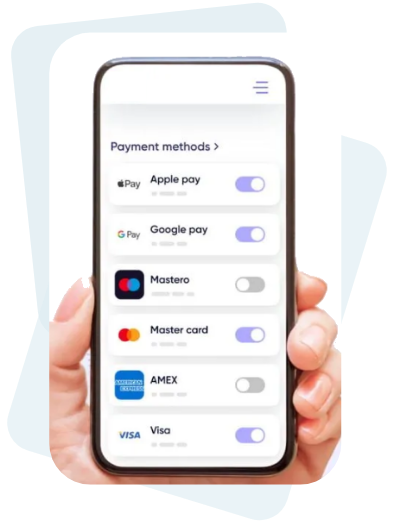
I paid for my tires with Apply Pay. Super simple. Finally there's a tire dealer that gets it.
—MARK T, CUSTOMER AT GETTREAD.COM
Enhanced Convenience: Providing various payment methods allows customers to choose the option that best suits their preferences and circumstances. Some may prefer using credit/debit cards, while others may opt for digital wallets like PayPal or mobile payment apps such as Apple Pay or Google Pay. By offering a range of choices, businesses cater to the diverse needs of their customer base, resulting in a more convenient shopping experience.
Increased Conversion Rates: Research indicates that offering multiple payment options can significantly boost conversion rates. Customers are more likely to complete a purchase if they can use their preferred payment method, leading to higher sales volumes and improved revenue generation. By reducing friction at the checkout stage, businesses can capitalize on sales opportunities and maximize their e-commerce potential.
For a deeper drive into how to dive more revenue from your traffic, check out “Conversion Rate Optimization for Mobile Tire Shop E-Commerce – 2024″
Risk Mitigation: Relying solely on one payment method poses a risk in case of technical issues, service interruptions, or changes in market dynamics. By diversifying payment options, businesses can mitigate these risks and ensure continuity in their operations. If one payment gateway experiences downtime, customers can seamlessly switch to an alternative method, minimizing disruptions and preserving customer satisfaction
Competitive Advantage: In today’s competitive e-commerce landscape, offering multiple payment options sets businesses apart from their rivals. It demonstrates flexibility, responsiveness to customer needs, and a commitment to providing the best possible shopping experience. Customers are more likely to choose businesses that offer a wide range of payment methods over those with limited options, giving companies a competitive edge in the market.

2. SSL Certification
Secure Sockets Layer (SSL) encryption is the cornerstone of data security in e-commerce. By encrypting sensitive information such as credit card details and personal identifiers, SSL certification safeguards transactions against interception and unauthorized access. Businesses must ensure that their websites are SSL-certified to establish a secure connection with customers’ browsers.
Authentication: SSL certificates authenticate the identity of a website, ensuring users that they are connecting to the intended site and not a malicious entity. This authentication is achieved through the certification authority (CA) that verifies the legitimacy of the website’s identity.
Encryption: SSL certificates facilitate encryption of data transmitted between the user’s browser and the web server. This encryption prevents unauthorized access to sensitive information, such as personal details, login credentials, and payment data, by encrypting it into a secure format that can only be decrypted by the intended recipient.
Data Integrity: SSL certification ensures data integrity by protecting against tampering or modification of information exchanged between the user and the server. Through cryptographic algorithms, SSL verifies that data remains unchanged during transmission, providing assurance to users that their interactions with the website are secure and reliable.
Trustworthiness: Websites with SSL certification display visual indicators such as a padlock icon or “HTTPS” in the address bar, signaling to users that the site is secure. This instills trust and confidence in visitors, encouraging them to engage with the website and complete transactions without concerns about data security.
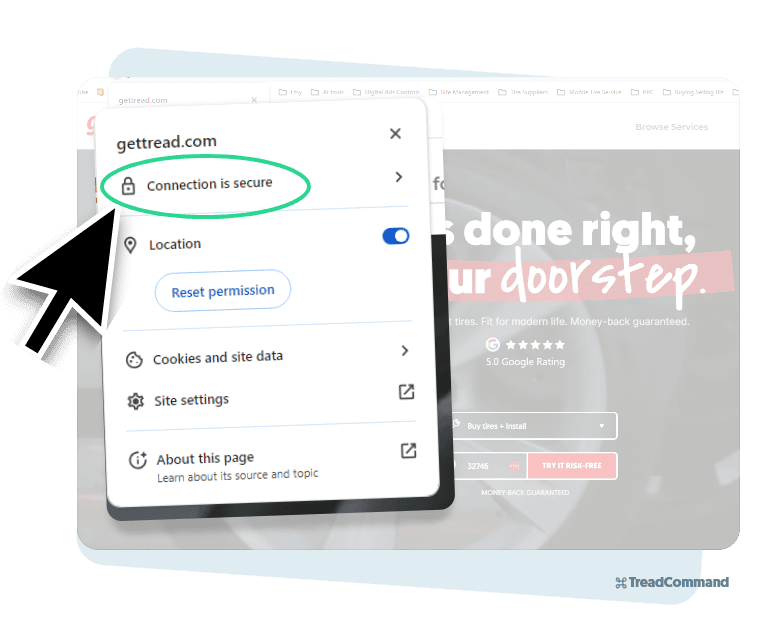
Regulatory Compliance: SSL certification is often a requirement for regulatory compliance, especially for websites handling sensitive information such as payment card details or personal data. Compliance with standards such as the Payment Card Industry Data Security Standard (PCI DSS) mandates the use of SSL certificates to protect sensitive data and uphold security standards.
3. Payment Gateways
Selecting reputable payment gateways is paramount for facilitating smooth and secure transactions. Platforms like PayPal, Stripe, and Square offer robust infrastructure, advanced fraud detection capabilities, and seamless integration with e-commerce platforms. By partnering with trusted payment gateways, businesses can streamline payment processing and enhance the overall shopping experience for customers.
Authentication and Encryption: Payment gateways authenticate and encrypt payment data, ensuring the security of transactions. They employ encryption protocols to safeguard sensitive information such as credit card details, preventing unauthorized access and fraud.

Transaction Routing: Upon receiving payment information from the customer, payment gateways route transactions to the appropriate financial institutions for processing. They establish connections between merchants, customers, banks, and credit card networks to facilitate seamless fund transfers.
Compatibility and Integration: Payment gateways integrate with various e-commerce platforms and shopping carts, ensuring compatibility across different systems. This integration allows merchants to accept payments through their websites, mobile apps, or other digital channels with ease.
Transaction Monitoring and Reporting: Payment gateways offer features for monitoring transactions in real-time and generating comprehensive reports. Merchants can track sales, monitor payment statuses, and analyze transaction data to gain insights into their business performance.
Fraud Detection and Prevention: Implement fraud detection methods such as transaction monitoring and anomaly detection to identify suspicious activities and prevent fraudulent transactions.
Thanks for alerting me of the fraudulent payment attempt on my card. I've already let my bank know to freeze the card till I can get a new card.
—CUSTOMER AT GETTREAD.COM
Enhanced Customer Experience: By providing a seamless and secure payment experience, payment gateways contribute to enhancing customer satisfaction. Features such as one-click payments, tokenization, and support for multiple payment methods streamline the checkout process, reducing friction and improving conversion rates.

Best Practices for Implementing Secure and Reliable Payment Systems
Conduct Regular Security Audits
Regularly assess your payment system’s security posture through comprehensive audits and vulnerability scans. Identify potential weaknesses and promptly address any vulnerabilities to fortify your defenses against cyber threats.
Stay Updated with Security Patches
Keep your payment system and associated software up to date with the latest security patches and updates. Software vendors often release patches to address known security vulnerabilities and improve system resilience. By staying vigilant and proactive, you can mitigate the risk of exploitation by cybercriminals.
Educate Employees and Customers
Invest in robust training programs to educate employees about security best practices and the importance of safeguarding sensitive information. Additionally, provide clear guidelines and resources to help customers protect their data, such as tips for creating strong passwords and recognizing phishing attempts.

Let's Grow Your Mobile Tire Shop, Together.
Say goodbye to clunky & cookie-cutter tire shop management software. Grow your mobile tire shop confidently with the best-in-class automated e-commerce tire platform that customers & operators love.
Conclusion
In conclusion, secure and reliable payment systems are the lifeline of e-commerce, underpinning trust, confidence, and regulatory compliance. By embracing multiple payment options, SSL certification, and reputable payment gateways, businesses can fortify their defenses against cyber threats while delivering a seamless shopping experience to customers.
Implementing best practices such as regular security audits, staying updated with security patches, and educating employees and customers is essential for maintaining the integrity and resilience of payment systems in the face of evolving cyber risks. As technology continues to advance and cyber threats evolve, prioritizing the security and reliability of payment systems remains paramount for the success and sustainability of e-commerce ventures.