
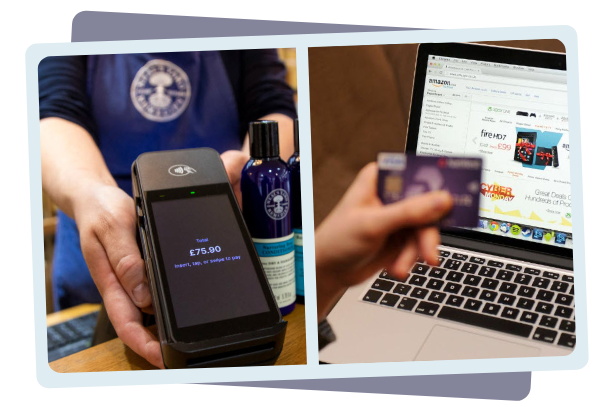

Let’s delve into the heart of modern tire sales & through the dynamic landscapes of eCommerce and Point of Sale (POS) systems.
As we unpack the differences between seamless online shopping experiences and in-person transactions, join us in exploring how technology can help us redefine the way we buy and sell tires in 2024 and beyond.
Understanding POS and eCommerce: What is the Difference in Systems?
Navigating the retail and service landscapes, you’ll encounter both POS (point of sale systems) and eCommerce platforms, essential components that streamline the checkout process whether in-store or digital.
What defines a POS system?
Point of Sale systems include software and hardware meticulously installed at the retail physical location, designed to handle transactions where the exchange of goods happens directly.
- Examples:
- Swipe your card at the window of a Food Truck
- Tap your card at the grocery store checkout
- Using the self-serve checkout at HomeDepot
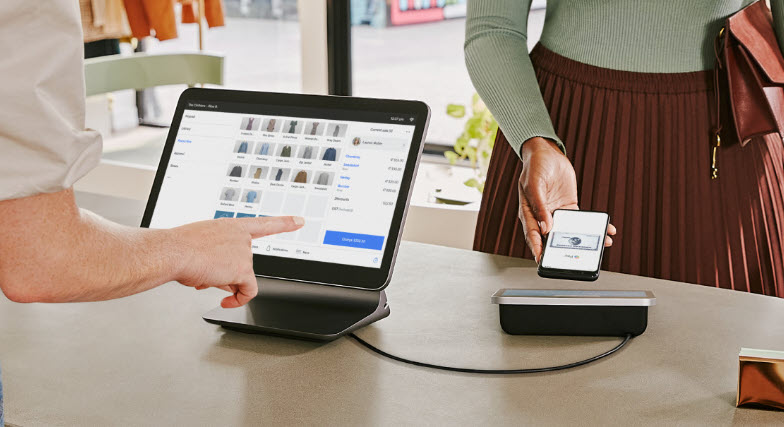
As you can see ,the point of sale system (also known as point of purchase), traditionally refers to the physical system where transactions are completed—think of the checkout lines with their scanners, receipt printers, and payment processing terminals. These systems are different from their eCommerce counterparts as they often include on-site software and hardware, making them custom-designed and unique to each business’s needs.
They enable businesses to manage sales, customer interactions, and inventory in a physical setting.
Popular POS (Point of Sale) Systems:
Square:
Square continues to reign supreme as one of the most versatile and user-friendly POS systems available. With its sleek design, intuitive interface, and robust features, Square caters to businesses of all sizes, from small startups to large enterprises. Its seamless integration with various hardware options, including smartphones and tablets, makes it a favorite among retailers, restaurants, and service-based businesses alike. From processing payments to managing inventory and analyzing sales data, Square empowers businesses to operate efficiently and grow their bottom line

Toast:
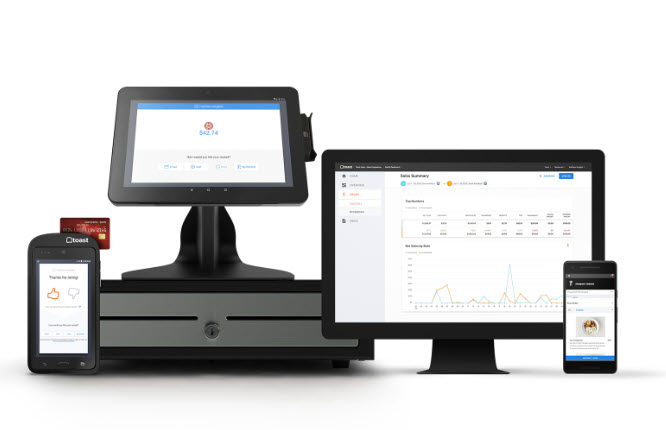
Toast has carved out a niche in the restaurant industry, offering a specialized POS solution tailored to the unique needs of food and beverage establishments. From order management to kitchen display systems, Toast provides a comprehensive suite of tools to help restaurants streamline their operations and deliver exceptional dining experiences. Its cloud-based platform enables real-time updates and seamless integration with other restaurant management software, allowing for greater efficiency and accuracy in every aspect of restaurant operations
Lightspeed:
Lightspeed is another powerhouse in the POS industry, offering tailored solutions for retail and hospitality businesses. Its comprehensive suite of features includes inventory management, employee scheduling, and customer relationship management (CRM), making it a one-stop solution for businesses looking to streamline their operations. With its cloud-based platform, Lightspeed enables businesses to access real-time data from anywhere, allowing for greater flexibility and scalability. Whether you’re running a boutique retail store or a bustling restaurant, Lightspeed has the tools to help you succeed

E-commerce
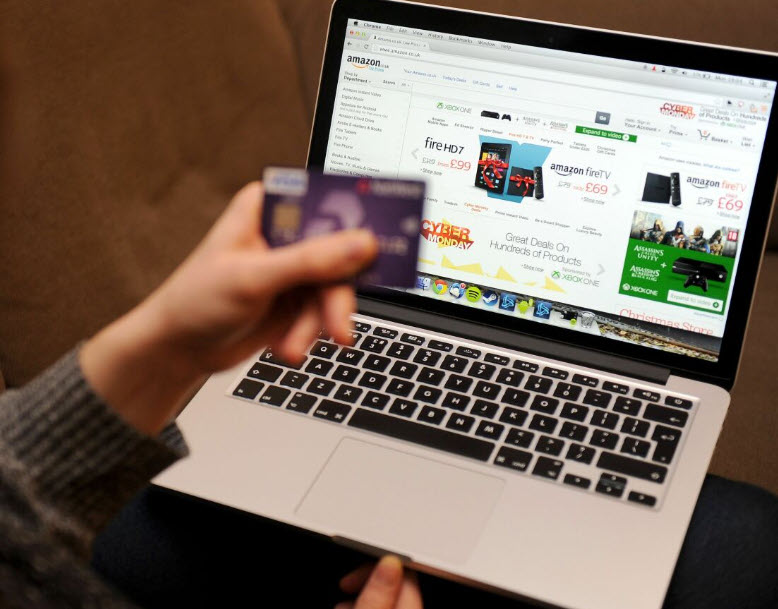
E-commerce refers to buying and selling products over the internet, a domain where your business’s presence can transcend geographical boundaries to reach a global audience.
The primary difference from a POS lies in the sales environment—physical vs. digital. E-commerce systems simplify the online ordering process, syncing with an online store to facilitate seamless sales and inventory management. With an eCommerce system, the point of interaction shifts from a physical counter to a virtual cart.
- Examples:
- Buy light bulbs on Amazon.com website or app
- Order airline tickets on Travelocity
- Book & Pay for dog grooming on PetSmart’s website
Looking to learn more about E-commerce, check out this article: “The Must Haves for High Converting & User Friendly Tire E-commerce Checkout in 2025”.
eCommerce vs POS: Analyzing the Tire Shopping Experience Differences
When it comes to the tire retail landscape, the difference between an ecommerce platform and a point of sale (POS) system is distinct. An ecommerce system is pivotal for online tire store owners, enabling them to streamline online ordering, and optimize the shopping experience.
Conversely, a traditional point of sale setup is integral in brick-and-mortar environments, and is necessary to complete on site transactions. To leverage the strengths of both, one should understand the difference between these two systems.
Online Tire Shopping Experience
Let’s start with online tire shopping, where a good ecommerce system gives customers:
- freedom to browse and purchase tires and services at leisure
- easily adjustable/upgradeable online shopping experiences
- transparent pricing
- secure online payment
- dependable online appointment setting
Read more about the “10 Things to Make User Friendly Mobile Tire Shop Websites to Drive Revenue”
Point of Sale Tire Experience
On the other hand, a point of sale system is all about:
- in-person experience
- can be operated by client OR the shop staff
- repetitive encounters at the point of sale
The main difference in the application of point of sale and ecommerce systems stems from the differences in customer interaction and fulfillment methods.
Key Differences In Table Breakdown
|
Attribute |
Point of Sale (POS) Systems |
E-commerce Systems |
|
User Interaction |
Physical: Customers interact directly with staff and the system in a store |
Virtual: Customers browse and purchase products/services online without face-to-face interaction |
|
Transaction Location |
Transactions are location-specific, at the physical store |
Transactions can occur anywhere with Internet access |
|
Payment Processing |
Supports cash, credit/debit cards, mobile payments, and sometimes checks |
Generally only supports electronic payment methods |
|
Inventory Management |
Integrates closely with in-store inventory systems |
Integrates with warehousing and potentially drop-shipping services |
|
Sales Tax Compliance |
Handles local sales tax applicable at the physical store location |
Must handle various tax rules, potentially serving customers globally |
|
Customer Experience |
Personalized service with immediate product access |
Customer reviews, recommendations, and personalized online experiences |
|
Operating Hours |
Limited by store hours |
Available 24/7 for customers to browse and make purchases |
|
Data Collection |
Limited to transactions and customer interactions at the point of sale |
Extensive data on customer behavior, preferences, and shopping patterns |
|
Initial Setup Costs |
Potentially higher due to physical hardware and software investments |
Lower physical setup costs, with varying software subscription fees |
|
Maintenance |
Requires regular hardware maintenance and updates |
Primarily requires software updates and server maintenance |
|
Scalability |
Limited by physical space and the number of devices/staff |
Easily scalable, only limited by server capacity and logistics |
|
Security |
Physical security measures required; susceptible to theft and damage |
Relies on cybersecurity measures; risk of data breaches and online fraud |
|
Return and Refunds |
Handled in person, requiring physical evaluation of returned goods |
Managed online with return policies that may or may not require physical returns |
|
Integration with Other Channels |
Limited, sometimes integrated with e-commerce for a unified retail approach |
Fully integrated within various online channels and marketplaces |
...Depending on your mobile tire shop business model, you may need BOTH an e-commerce platform AND a POS system. The trick is have one platform that rules them BOTH...(*wink wink - TreadCommand).
—KALPESH GOHILL, FOUNDER/CEO AT TREADCOMMAND
Bonus: OmniChannel / Hybrid Ecommerce + Point of Sale
The fusion of physical and digital shopping experiences can be a game changer in today’s market. When POS systems are integrated with eCommerce platforms, inventory management becomes a breeze, and sales data is synchronized in real-time.
Hypothetical OmniChannel Tire Business:
Let’s say you run Joe’s Mobile Tires and 50% of your clients are consumers (B2C).
- Customers shop
- Schedule
- and pay 100% online.
This is E-commerce
The other 50% of Joe’s Mobile Tire clients are local businesses with a fleet of vehicles (B2B).
- These fleet customers may want you to show up
- audit their fleet
- and provide an invoice
- schedule a service date
- Payment taken on the spot, or due within 30 days, etc.
This is a POS operated by Joe’s Mobile tire staff (not operated by the customer)

Launch your mobile tire shop e-commerce, with TreadCommand
Say goodbye to clunky & cookie-cutter tire shop management software. Grow your mobile tire shop confidently with the best-in-class automated e-commerce tire platform that customers & operators love.
Closing Remarks
Now that you have a better understanding of E-commerce and POS systems, check out these other useful resources:
Mobile Tire E-Commerce: Unveiling the Secrets to Choosing the Right Systems & Features
10 Things to Make A User Friendly Mobile Tire Shop Website to Drive Revenue