Tire data can be confusing. We'll dig deep into how to manage huge databases, find what you need, and more
RESOURCE by—
Kal Gohill
Founder/CEO
TreadCommand
In the dynamic world of e-commerce, managing a tire product catalog effectively is crucial for staying competitive.
This guide outlines the essential practices — the do’s and don’ts — of managing your online tire catalog to ensure you meet customer expectations and comply with industry standards, while also maximizing your sales potential.
Understanding Tire Product Catalog Management
What is Tire Product Catalog Management?
Product catalog management involves the strategic organization and presentation of your product information online. For tire e-commerce, this means detailed descriptions, specifications, pricing, and availability for each tire model you offer.
The Do’s of Tire Product Catalog Management
Do Implement a Minimum Advertised Pricing (MAP) Policy
Minimum Advertised Pricing Policy: This policy ensures that dealers adhere to a manufacturer’s agreed minimum price when advertising products for sale. This helps maintain brand value and retailer margins.
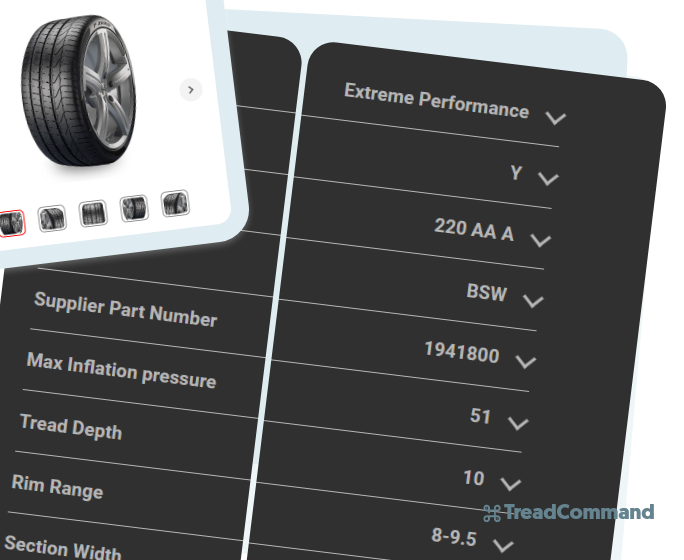
Tire Metadata: Includes detailed product information like tire size, type, seasonality, and performance features. Accurate metadata enhances searchability and customer satisfaction, ensuring customers find exactly what they need.
Do Clearly Display OE Tire Markings
OE Tire Markings: Original Equipment (OE) markings indicate tires approved by vehicle manufacturers. Clearly displaying these markings can guide customers in making compatible choices for their vehicles.
Do Include Tire Mileage Warranty Metadata
Tire Mileage Warranty Metadata: Provide clear information on the mileage warranties offered by the tire manufacturer. This is a significant decision-making factor for buyers.
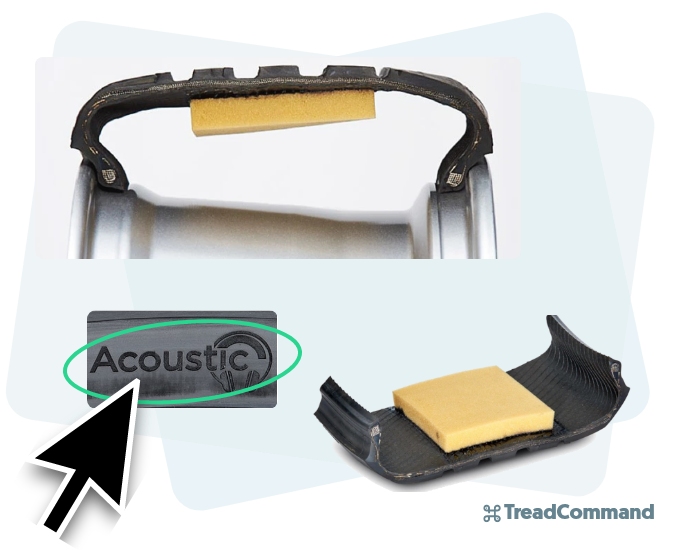
Do Feature Acoustic Treated Tires Properly
Acoustic Treated Tires: These tires are designed to reduce road noise, an important feature for many buyers. Highlighting this feature can attract customers looking for a quieter ride.
The Don’ts of Tire Product Catalog Management
Don’t Overlook SEO Best Practices
Neglecting SEO can lead your products to be buried under pages of search results, making it hard for potential customers to find your store. Use relevant keywords, accurate metadata, and update listings regularly to improve visibility.
Don’t Ignore User Experience
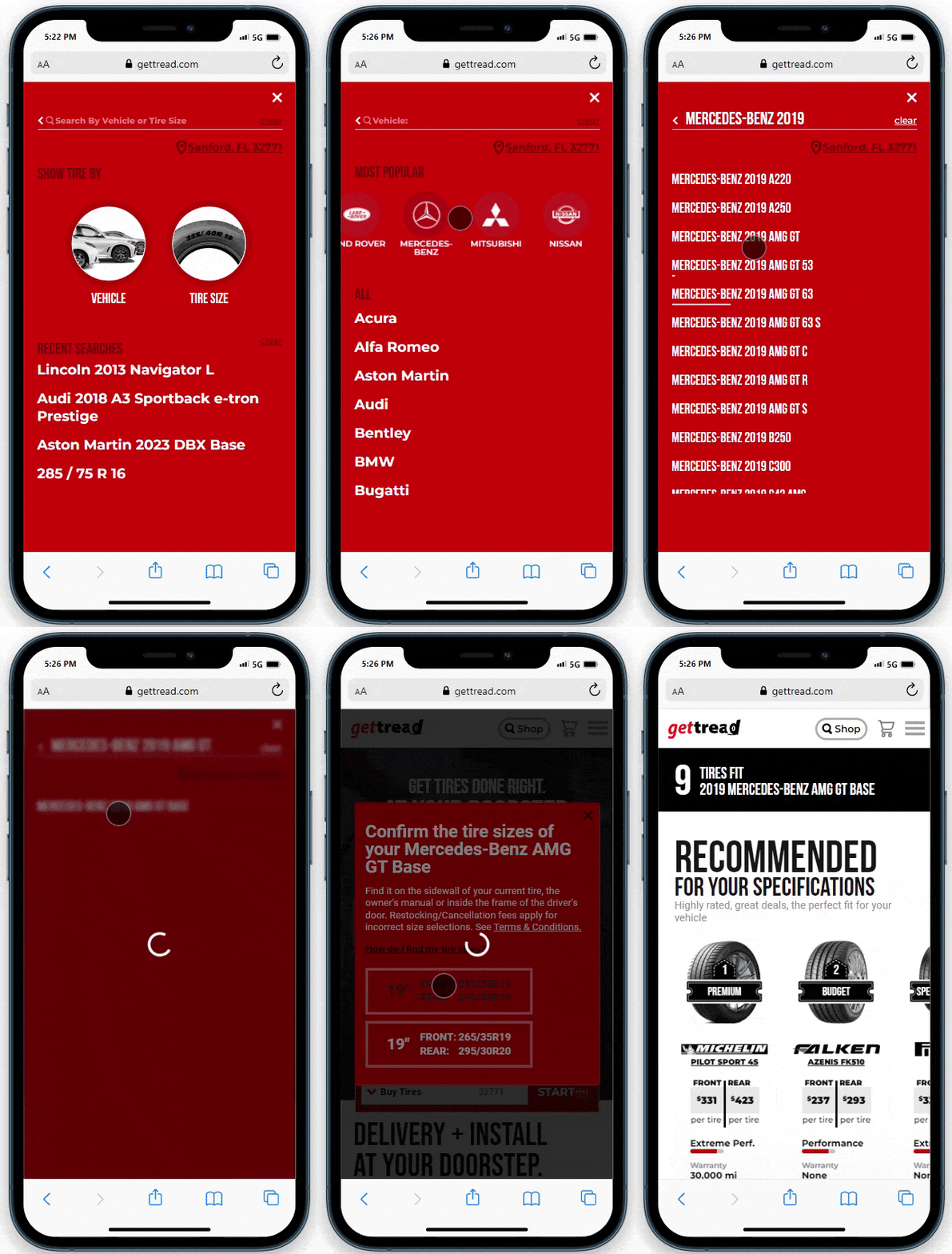
A poorly organized catalog can frustrate customers. Ensure your website’s navigation is intuitive, and information is easy to access. Categories should be logically organized, and filters should help refine search results effectively.
With the increasing use of smartphones for online shopping, your e-commerce site must be mobile-friendly. This means fast loading times, responsive design, and accessible features across devices.
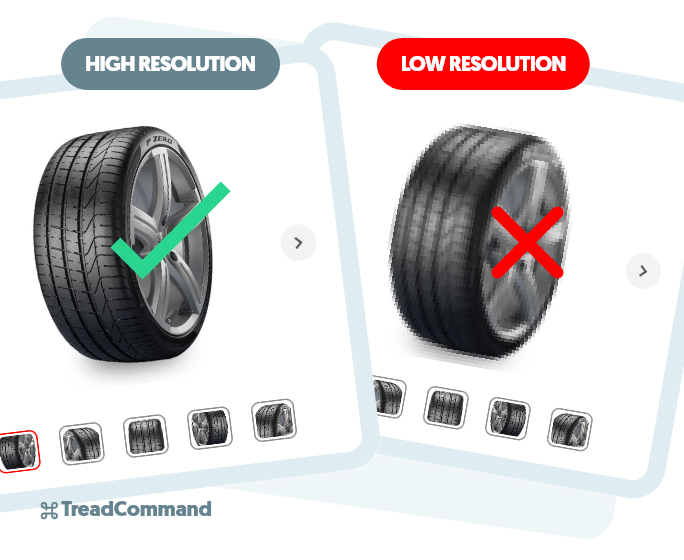
Don’t Underestimate the Importance of Quality Images
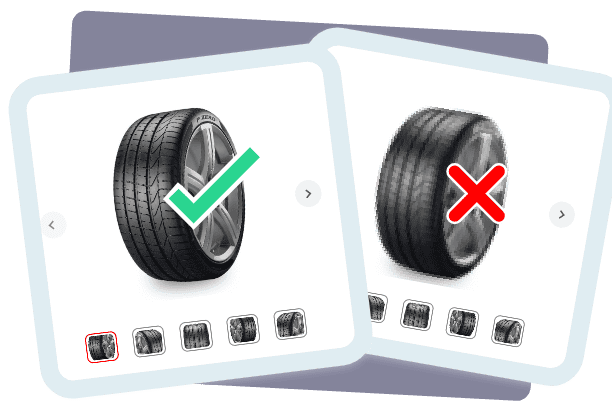
Customers can’t physically touch or inspect tires online. High-quality images can help bridge this gap, providing a clearer idea of the product’s features and quality.
Don’t Delay Updating Inventory Information
Real-time inventory updates are essential to avoid customer dissatisfaction caused by ordering products that are out of stock. Automated systems can help keep your catalog up-to-date with current stock levels.
Put your Tire E-commerce on autopilot, with TreadCommand
Say goodbye to clunky & cookie-cutter tire shop management software. Grow your mobile tire shop confidently with the best-in-class automated e-commerce tire platform that customers & operators love.
Managing an online tire catalog effectively requires attention to detail, strategic planning, and a focus on customer experience. By following these do’s and don’ts, you can create a tire e-commerce platform that not only attracts but also retains customers by offering them a seamless shopping experience.
Implementing these strategies will ensure that your tire catalog is not only comprehensive and compliant but also competitive and appealing to your target market.
Grow your mobile tire shop
Simplify your digital operations. Focus on what matters.